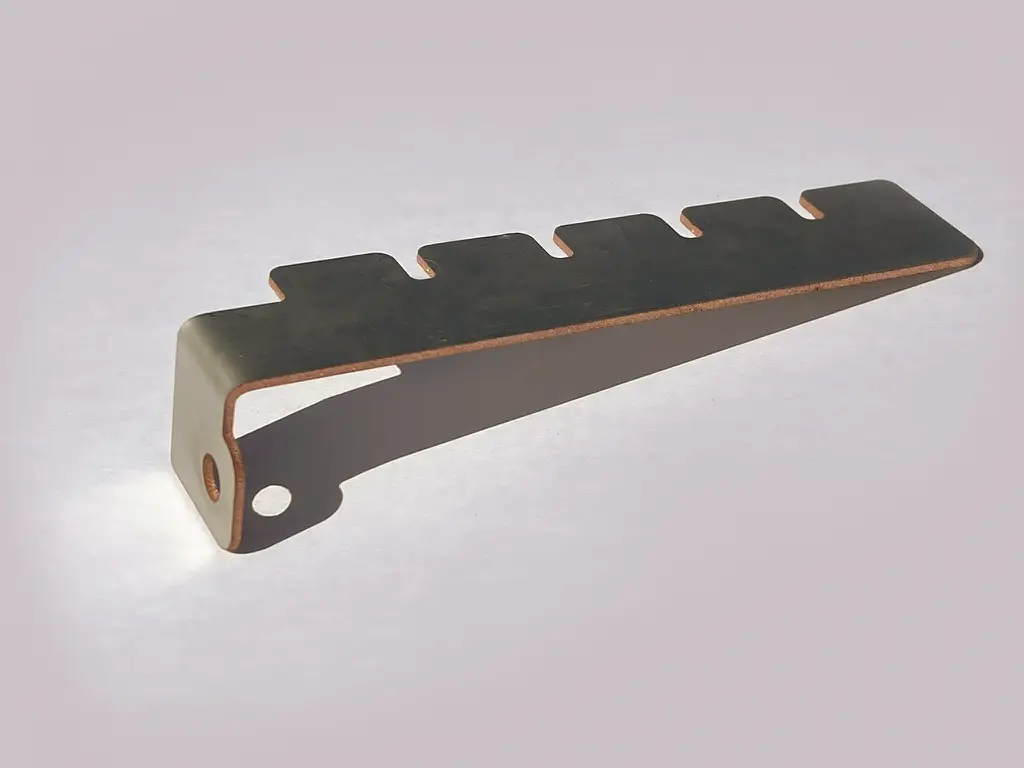
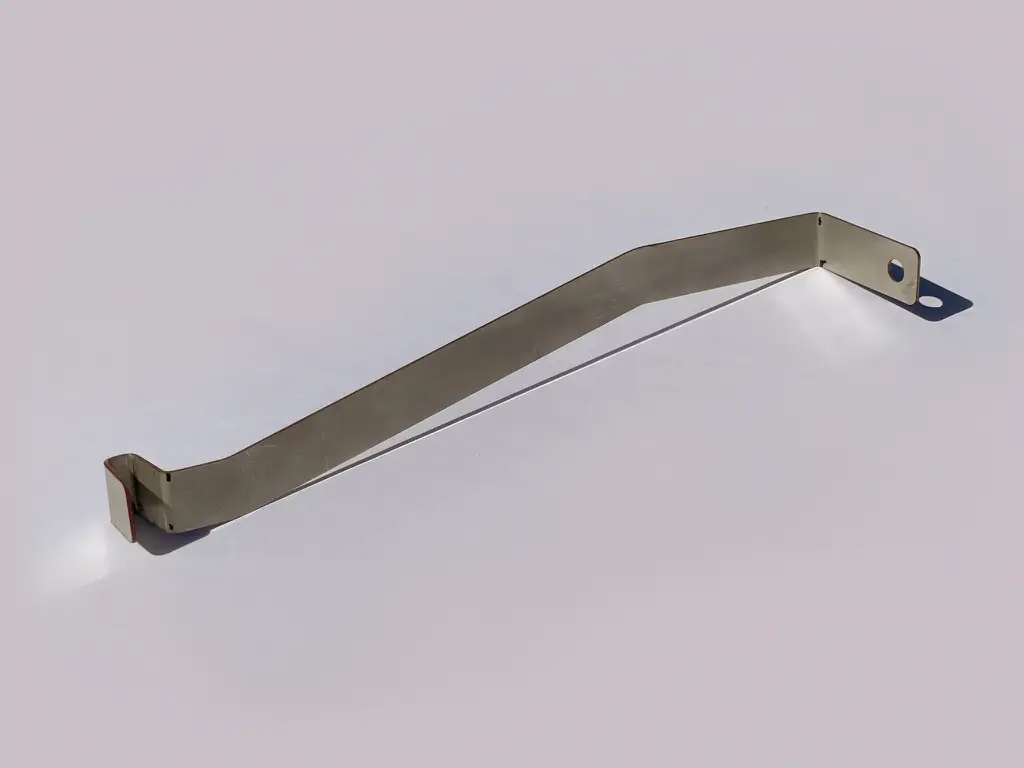
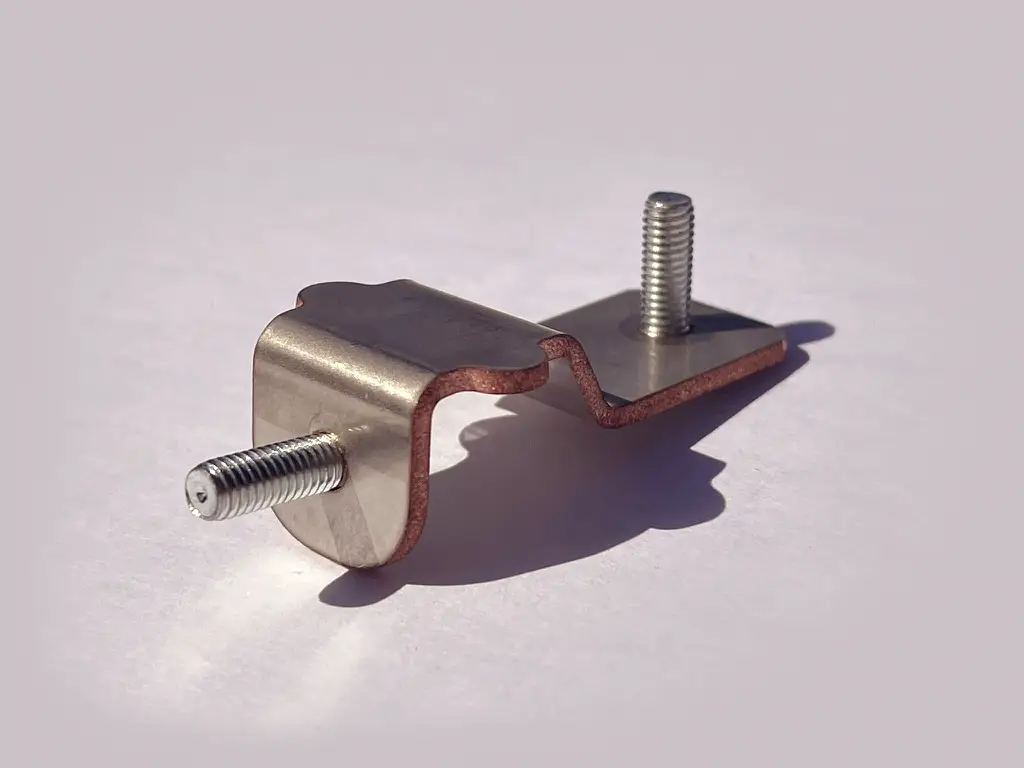
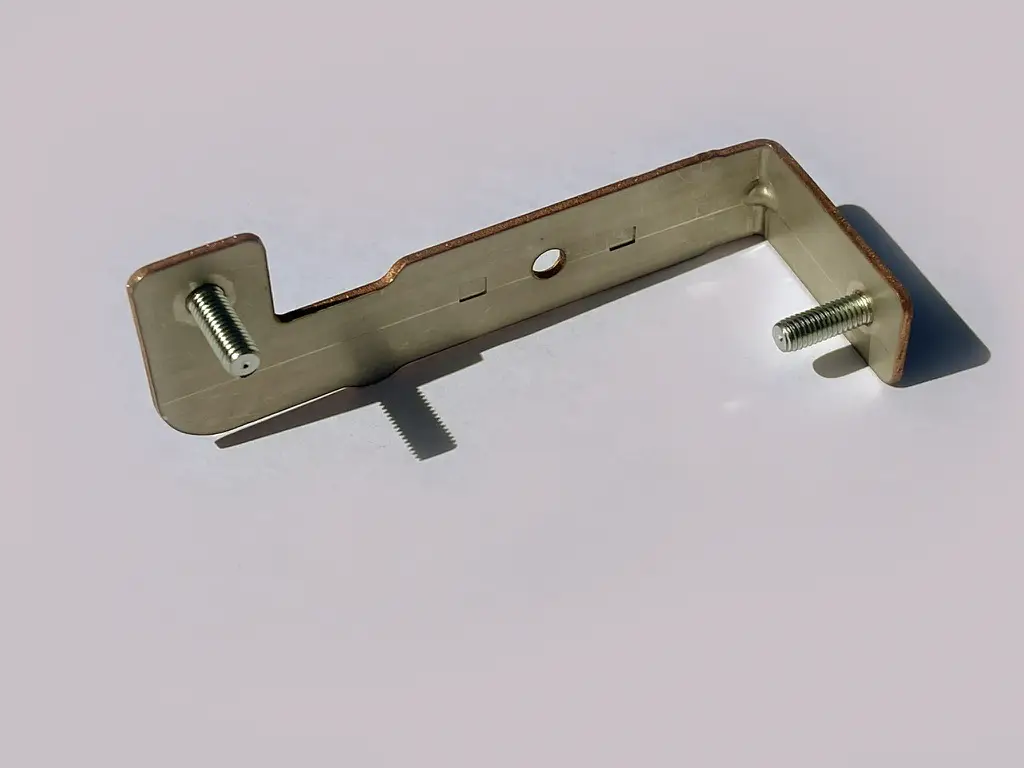
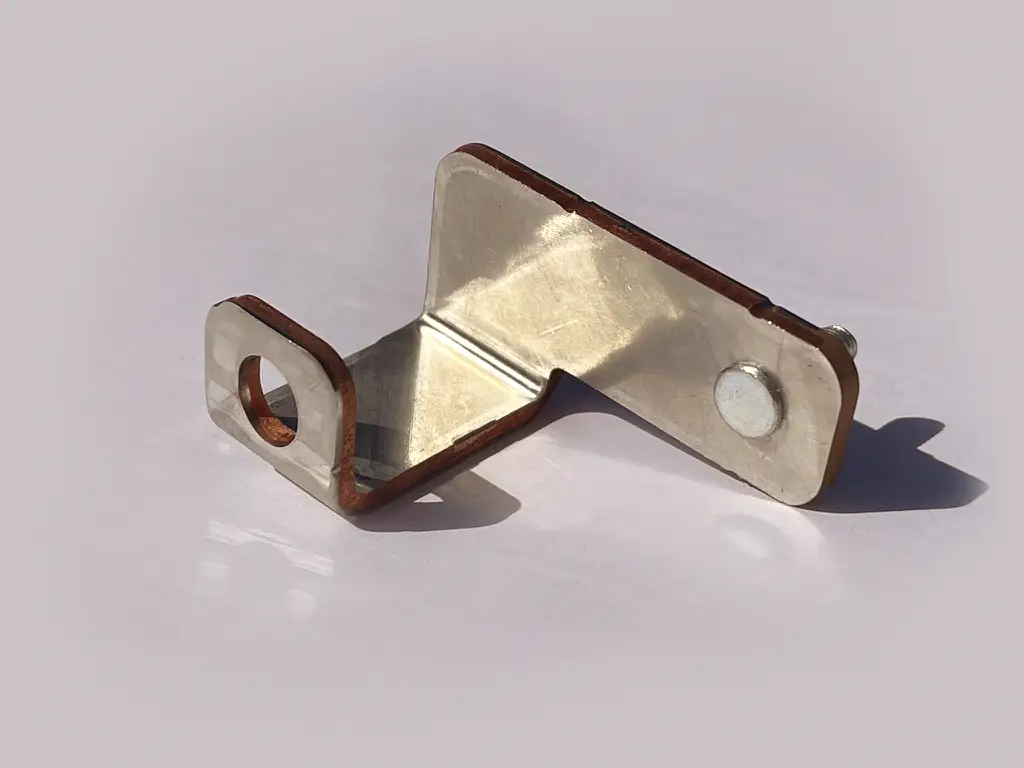
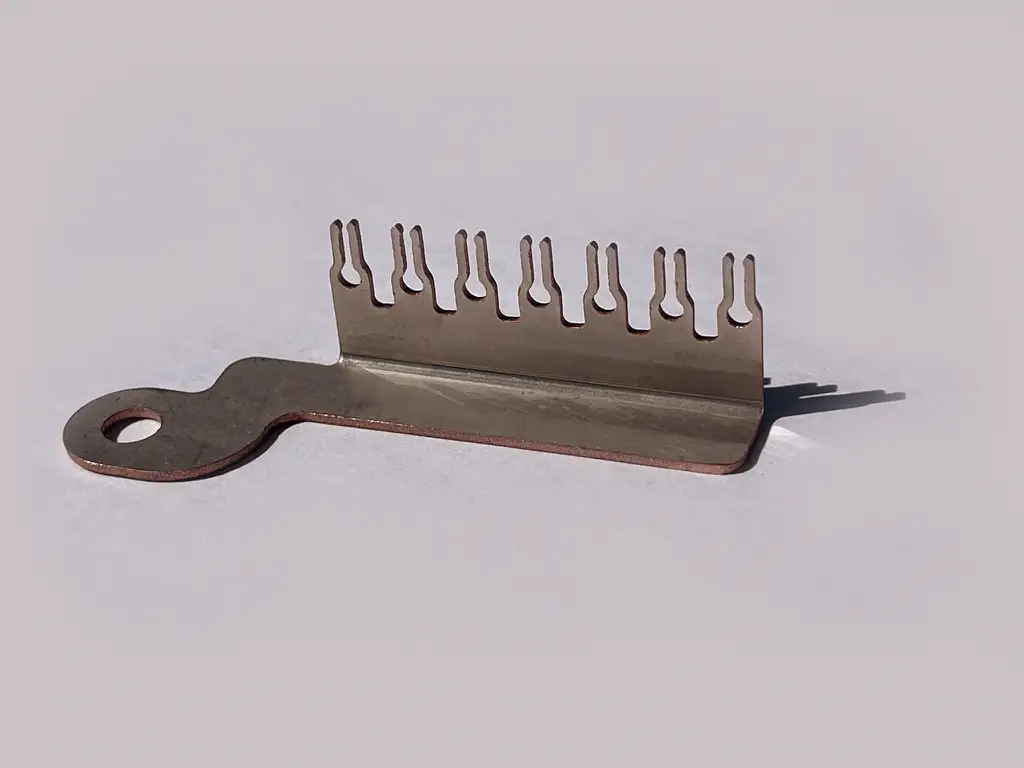
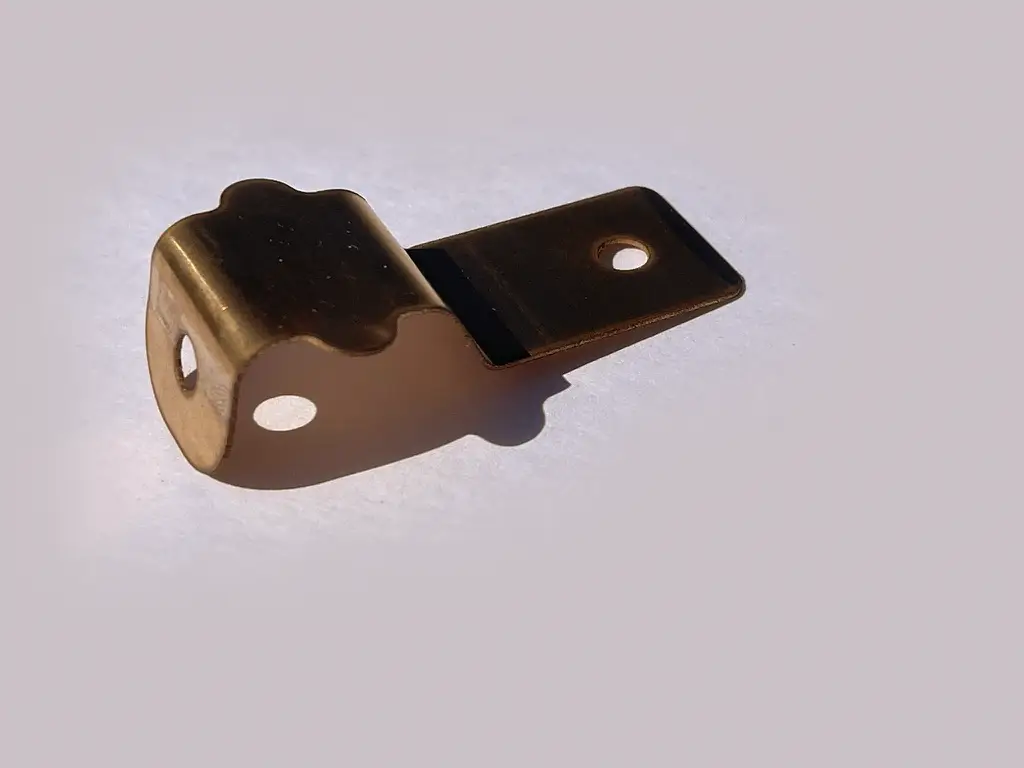
A bus bar functions as a rigid metallic strip that conducts electricity within a local distribution board. These solid metal forms replace thick wire bundles inside mechanical enclosures, making electrical panels easier to organize, inspect, and maintain over long lifecycles. Removing excess wire also reduces the total weight of the final commercial product.
G & M Manufacturing Corporation specializes in precision industrial metal stampings. We provide high-conductivity busbars to support efficient operations in industries that include automotive, medical, electronics, and general industrial machinery. Learn more about how busbars work, the materials used in busbar manufacturing, and the applications of these vital components.
How an Electric Bus Bar Works
The electric busbar consolidates power into a single conductive track and distributes the current to multiple outgoing circuits. The flat surface area of the metal also dissipates excess heat into the air, which is important to help keep the electrical system from overheating during continuous mechanical operation.
Assembly technicians can bolt busbar components directly onto the flat metal surface. This creates strong mechanical joints that resist loosening from heavy industrial vibration.
Materials Used to Produce Bus Bars
Busbars are often made of copper or aluminum due to their excellent electrical conductivity, low resistance, and cost-effectiveness. At G&M Manufacturing, our facility operates high-performance Minster and Bruderer punch presses to accurately shape metals. We process specific materials to balance electrical conductivity and mechanical strength, such as:
- Copper alloys. These materials can deliver strong electrical conductivity and resist environmental corrosion.
- Aluminum. Aluminum is a lightweight choice that is ideal for applications where weight and cost are important factors.
- Plated materials. To improve durability and prevent corrosion, copper or aluminum can be plated with tin or silver.
We verify the mechanical properties of each metal coil before it enters our stamping machines to support dependable performance in the intended electrical application.
Numerous Busbar Applications
Busbars can offer superior space savings and allow for easier installation in complex systems. At G&M Manufacturing, our manufacturing team can provide busbars for a variety of demanding industry requirements, such as:
- Automotive systems. Specific components can be built that support power distribution across complex vehicular assemblies.
- Medical. Power distribution components support diagnostic machinery and clinical devices.
- EV systems. Commercial circuit boards can use conductive bars to route electricity directly between delicate internal mechanisms.
- Military. Tactical hardware and secure communication systems rely on stamped power distribution elements to operate in harsh environments.
- Industrial machinery. Heavy manufacturing equipment can utilize these conductors to manage massive electrical loads efficiently.
Choose G&M Manufacturing for High-Quality Busbars
Purchasing agents and engineers need reliable busbar manufacturers to produce technically complex stampings on schedule. G&M Manufacturing is able to build the required tooling and manufacture busbars in-house. We stamp precise busbar components for industries from EV systems to automotive, using cutting-edge equipment.
Partner with our team to secure predictable delivery schedules and exact dimensional accuracy for your electrical connections. Contact us or submit a request for quote to discuss your electrical stamping needs today.
G & M’s Precision Metal Stamping Capabilities
- General Capabilities
-
Custom
Contract Manufacturing
Imported
Intricate
Complex
Small to Medium Size
- Production Method
-
Stamping
High Speed
Continuous
- Tooling
-
Progressive Die
Compound Die
Draw Die
- Automation
-
Process
Assembly
Systems
- Process
-
Inspection
Die Safety
- Press Rating
-
Up to 100 tons
- Press Speed
-
Up to 1200 parts/min
- Materials
-
- Stainless Steel
- Carbon Steel
- Nickel Alloys
- Copper Alloys
- Aluminum Alloys
- Flat Rolled
- Calendar
Ferrous
Non-Ferrous
Plated
Clad
Inlayed
Exotic Metals
Plastic
- Form
-
Coil
Thin Gauge
Foils
- Finishing
-
Chemical Cleaning
Deburring
Galvanizing
Heat Treating
Metal / Oxide
Painting
Passivating
Plating (Anodizing)
Powder Coating
- Plating
-
Reel
Stripe
Precious Metal
Terminal / Lead
Spot
- Inspection
-
In-Die Sensor Program
100% Product Checking
Automated Camera Systems
- Stamping Features
-
Pre-Plated
Multi-Stage Process
Embossed
In-Die Tapping
- Stamping Product
-
Strips
Parts
Terminals
Contacts
Connectors
Lead Frames
Commutators
Buss Bars
Brackets
Cans
Cups
Covers
Heat Sinks
- Additional Services Provided
-
In-House Tooling
Wire EDM
CNC Milling
Waterjet Cutting
- Production Volume
-
Mid to High Volume
Prototyping Available
Additional Information
- Industry Focus
-
Automotive
Electronics
Electrical
Industrial
Consumer Products
Medical
- Industry Standards
-
ISO 9001:2008 Certified
TS 16949 Compliant
ASM
ASQ
SME
TMA
- File Formats
-
AutoCAD
SolidWorks